Unlocking the Price Tag: Why Black Windows Cost More Than Standard White Frames
Unlocking the Price Tag: Why Black Windows Cost More Than Standard White Frames
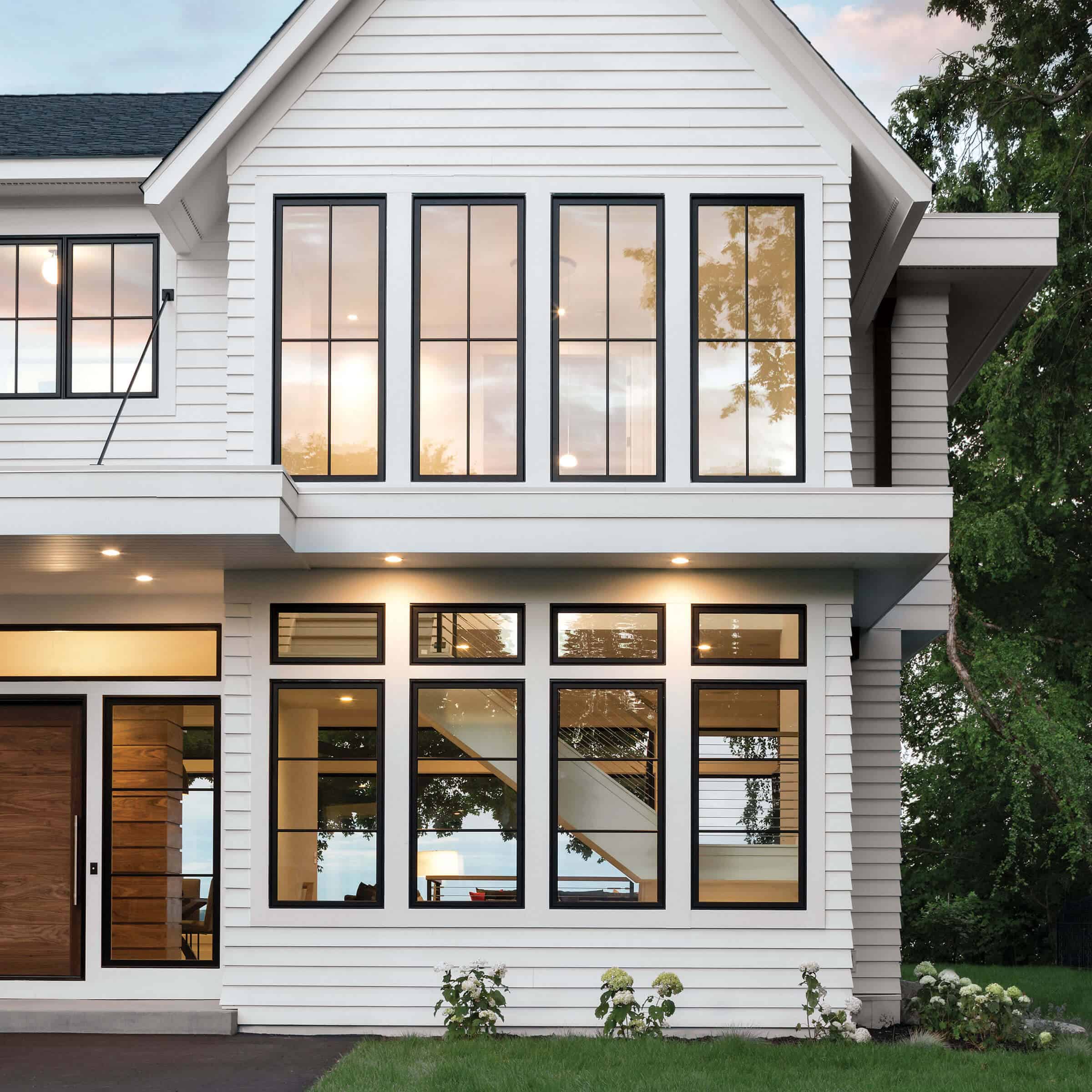
Homeowners and builders are increasingly selecting sleek black window frames due to their modern aesthetic. However, prospective buyers quickly face sticker shock when project quotes reveal that black windows carry a huge price premium over standard white, almond, and clay options. Why are black windows so expensive compared to traditional alternatives? The core reason for this price differential is that manufacturers are require to utilize expensive heat-reflective pigments, complex multi-step finishing processes, and specialized color-matched hardware to prevent warping, fading, and thermal breakdown.
1. Thermal Science: Engineered Materials to Resist Extreme Heat
Unlike white vinyl, which naturally reflects solar radiation, black surfaces absorb intense UV rays and heat. Standard dark plastics warp, expand, and degrade rapidly under direct sunlight, forcing manufacturers to engineer higher-cost material solutions.
- Heat-Reflective Pigment Technology: Premium black finishes on vinyl windows incorporate specialized reflective chemical formulations and coatings that bounce solar heat away.
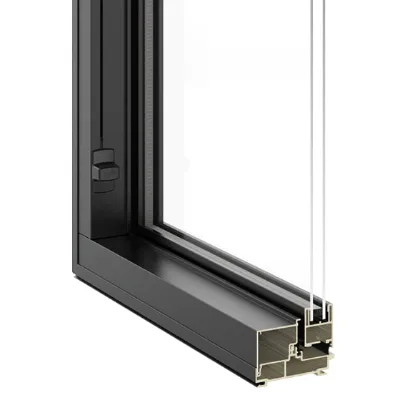
- Shift to Premium Substrates: To avoid heat issues entirely, many homeowners opt for inherently stable materials like fiberglass or extruded aluminum, which carry higher raw material costs than standard vinyl.
2. Manufacturing Complexity: Specialized Processes & Batch Economics
Standard window frames are extruded using raw, unpainted white, almond, or clay PVC resin. Adding a durable black coating adds several labor-intensive manufacturing steps and operates on smaller production scales.
- Advanced Coating Techniques: Adding a black finish requires complex post-extrusion processes, such as co-extrusion (fusing an acrylic color layer onto the base profile), heat-baked painted coatings, or exterior-grade foil laminates.
- Lower Production Volumes: White remains the high-volume industrial baseline. Black window production runs are smaller, requiring dedicated machinery setups, specialized quality control, and custom batch scheduling.
- Extended Curing & Capping Cycles: Heat-cured paint and multi-layer laminates demand extra kiln time and rigorous heat-chamber testing to guarantee long-term adhesion without blistering or peeling.
3. Supply Chain & Distribution: Made-to-Order Economics vs. Mass Stocking
Standard white windows benefit from massive economies of scale and manufacturer stock. Every window factory can produce white windows. Black windows, by contrast, operate on custom, made-to-order logistics where manufacturing may occur at only certain factories around the country.
- Low-Volume Order Logistics: Because black windows are produced at only specially-tooled facilities, tis eliminates high-volume production cost savings and increases freight expenses.
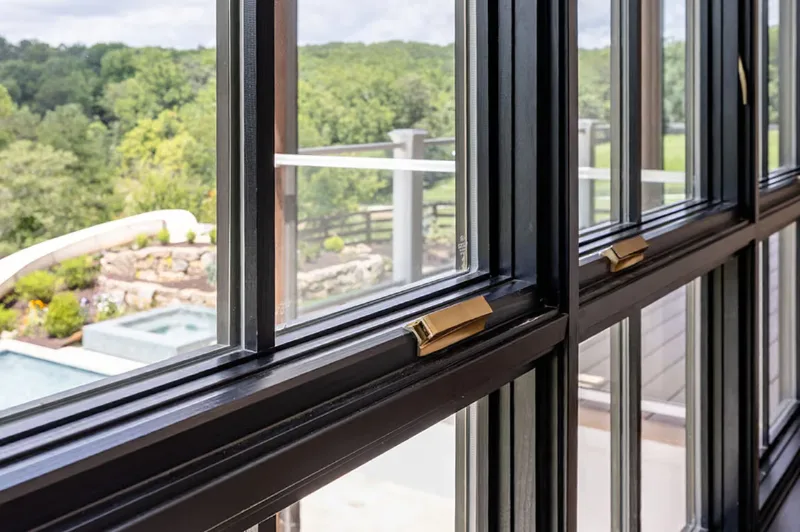
- Color-Matched Accessories & Hardware: Every auxiliary component—including locks, moving components, screen frames, trim caps, etc. must also be produced in low volumes which adds cost across the entire component supply chain.
Best Black Windows
Most customers are very surprised to see that the prices of Andersen Fibrex, Pella Impervia fiberglass, and thermally-broken aluminum windows are often more affordable than mid-grade black vinyl windows.
Click here to see our guide to choosing the best black window for your home.
Ready to get started?
Free, no-pressure estimates from a local crew that shows up on time.
Start Your Project