The Complete Guide to the Best Siding for DFW Homes
The Complete Guide to Siding Types and Replacement in DFW
Selecting the right siding material for a Dallas–Fort Worth home requires balancing curb appeal, neighborhood aesthetics, and severe Texas weather protection. Siding acts as the first line of defense against intense sun, hail storms, sudden temperature drops, and high moisture.
Below is a breakdown of the leading siding options recommended for DFW properties, along with critical signs that indicate it is time to replace your existing exterior cladding.
Top Siding Types for DFW Homes
Fiber Cement Siding
- Primary Brands: James Hardie and Allura
- Overview: Fiber cement is one of the most durable and heavy-duty siding materials on the market. Made from a mixture of cement, sand, and cellulose fibers, it offers superior resistance to rot, fire, termites, and harsh weather.
- Why it fits DFW: It holds up exceptionally well against North Texas hail storms, severe thunderstorms, and intense summer heat without warping, absorbing moisture, or melting.
Engineered Wood Siding
- Primary Brand: LP SmartSide
- Overview: Engineered wood combines real wood strands, wafers, and fibers with advanced resins, waxes, and zinc borate treatments. This creates a deeply textured, natural wood aesthetic that resists absorbing water far better than traditional wood siding.
- Why it fits DFW: Highly impact-resistant against flying debris and hail, offering high strength with a traditional wood look. It is generally easier to install than fiber cement, resulting in lower overall cost.
Composite Cladding
- Primary Brand: Alside Ascend
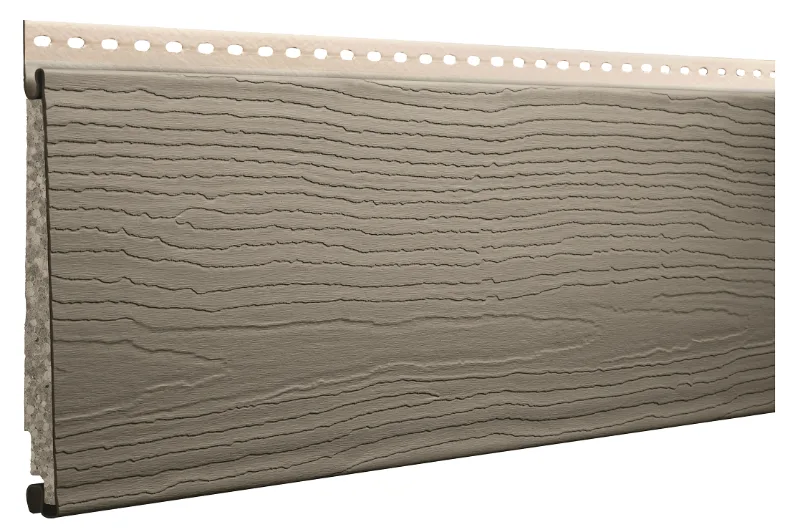
- Overview: Composite cladding is the fastest-growing category in residential siding. It uses a glass-fiber reinforced polymer matrix combined with graphite-infused polystyrene to create a lightweight yet strong board.
- Why it fits DFW: It looks nearly indistinguishable from fiber cement siding but installs faster and easier, like vinyl. The material and paint technology means that it'll likely never need painting again. It features insulating properties that decrease thermal bridging, excellent hail resistance, lifetime fade protection warranties, and low expansion during hot DFW summers.
Insulated Vinyl Siding
- Primary Brands: Westlake Royal Craneboard, ProVia CedarMAX, Alside Prodigy
- Overview: Modern insulated vinyl products are a major upgrade over traditional vinyl siding. These high-end systems match the visual appeal of fiber cement while featuring a thick, contoured foam backing that fills the gap behind the panel face.
- Why it fits DFW: The integrated foam adds structural rigidity against hail and improves thermal insulation (R-value) to significantly reduce heating and cooling costs during Texas heatwaves. They are virtually maintenance-free and often include long-term fade warranties and termite resistance.
Why Should You Replace Your Siding?
Siding is not merely a cosmetic exterior layer, it is an integral part of a complete moisture-management system designed to keep water and moisture (and mold) out of your home's framing and living spaces.
The Complete Wall System
A properly installed siding system consists of three key layers:
- Exterior Siding: The visible outer shield that deflects rain, sun, wind, and impact.
- Weather-Resistant Barrier (House Wrap): A breathable membrane (such as Tyvek) behind the siding that allows interior moisture vapor to escape while stopping liquid water from penetrating the structure.
- Solid Substrate (Sheathing): The structural plywood or OSB board behind the weather barrier that holds fasteners and reinforces wall strength.
Uncovering Hidden Water Damage
When siding deteriorates (most commonly along rooflines, soffits, fascia, or around window trim), the visible damage on the surface is usually only a fraction of the issue.
- Capillary Action: Damaged or unsealed siding draws water inward via capillary action
- Hidden Decay: Water gets trapped behind exterior panels and drains directly onto the weather barrier and substrate sheathing.
- Structural Compromise: Over time, trapped moisture rots internal wall framing, creates breeding grounds for toxic mold, degrades indoor air quality, and leads to costly structural repairs.
Replacing failing siding before moisture penetrates the underlying substrate prevents extensive frame decay and protects your property's long-term value.
Frequently Asked Questions About DFW Siding
How do I know if my siding has hidden water damage? Look for damage along rooflines, soft or swelling boards, peeling paint, visible gaps at joints, dark discoloration around window frames, or a musty odor inside exterior-facing walls.
What siding material handles DFW hail best? All of the products listed above: fiber cement, engineered wood, composite cladding, and insulated vinyl offer outstanding impact resistance against severe North Texas hail storms.
Can replacing siding lower energy bills in Texas? Yes. Installing insulated vinyl siding or composite cladding adds not only a layer of insulation, but it reduces thermal bridging (warmth transferred through the studs), helping your HVAC system keep your home cool during record breaking heat waves.
Ready to get started?
Free, no-pressure estimates from a local crew that shows up on time.
Start Your Project